
Moroccan Zellige: From 11th-Century Aghmat to Contemporary Design at Four Seasons Morocco
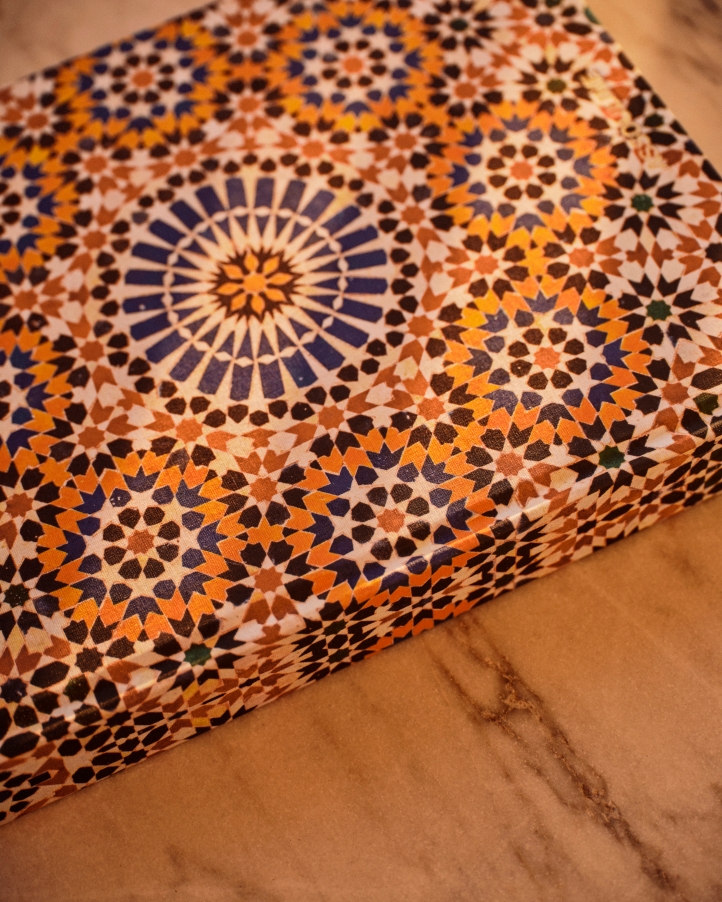
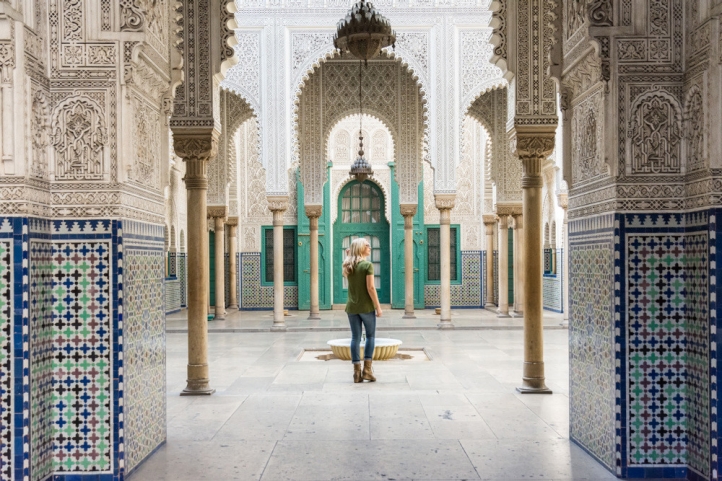
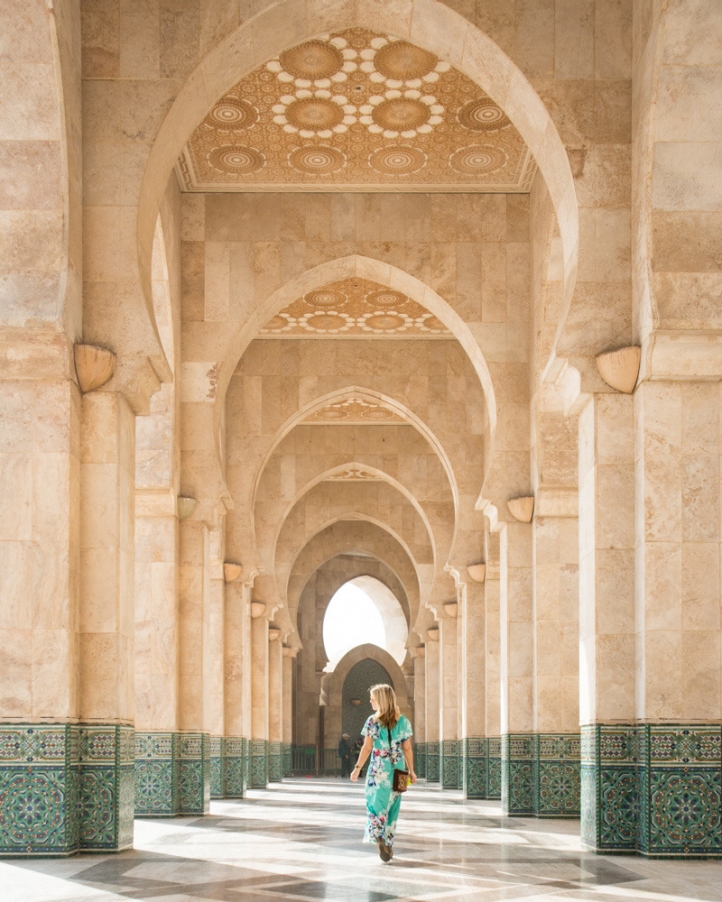
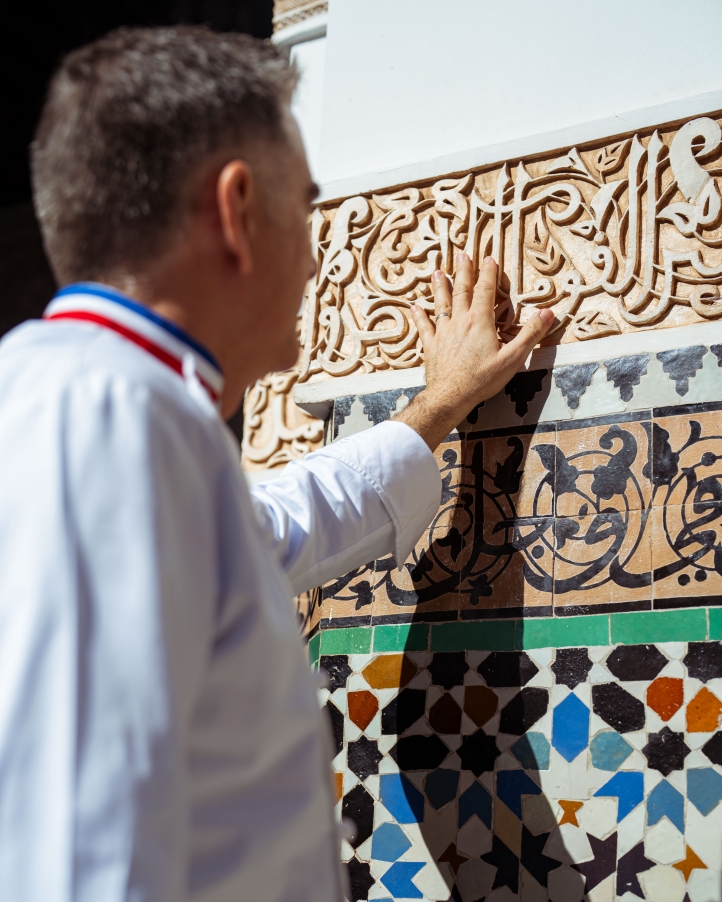
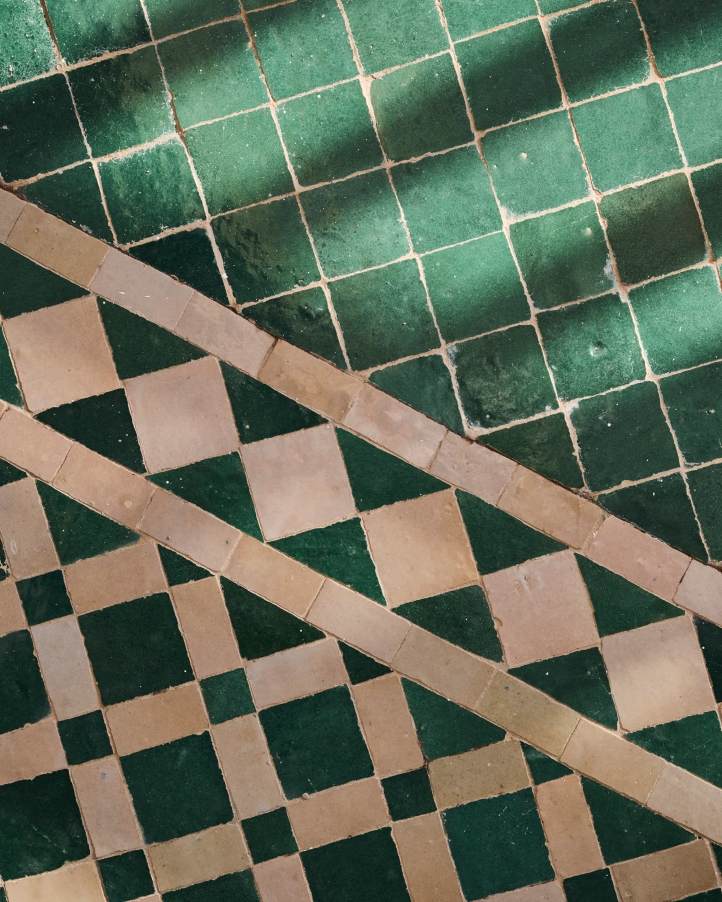
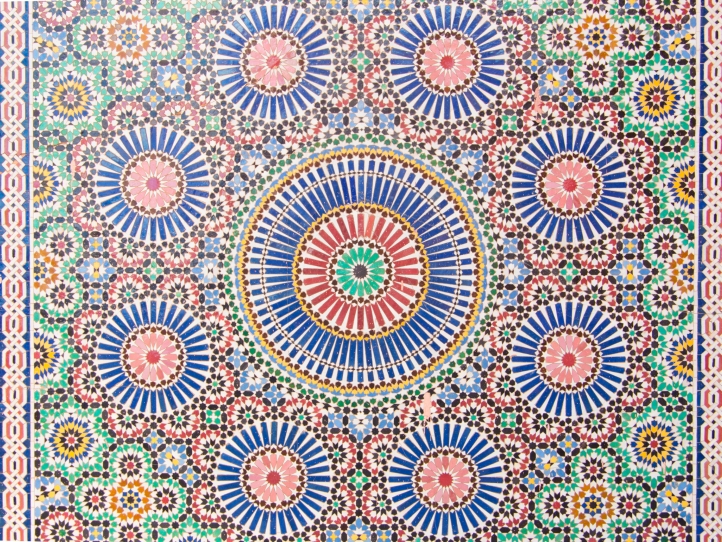
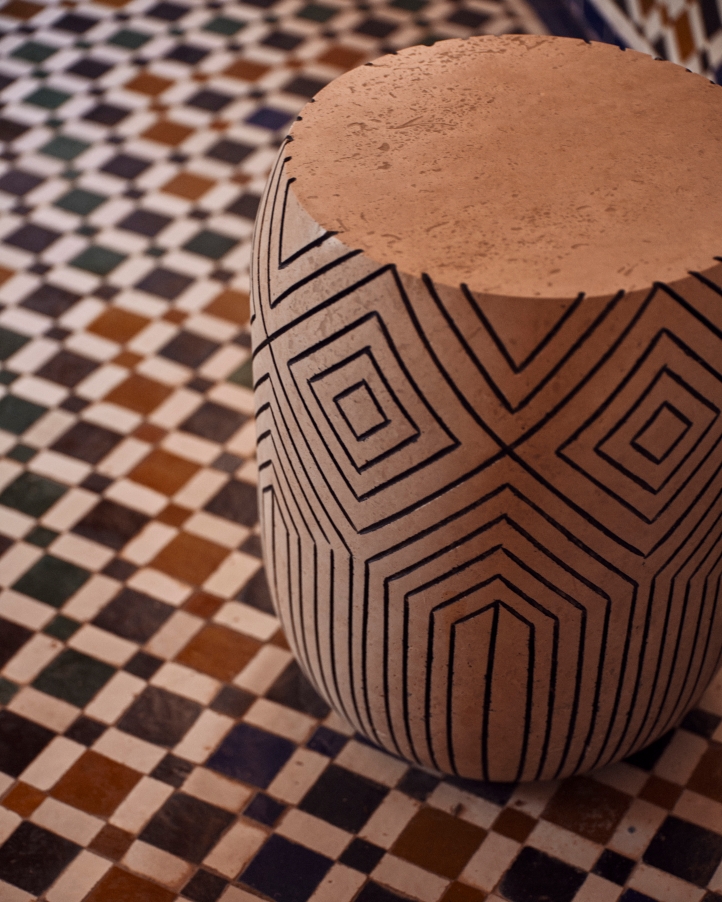
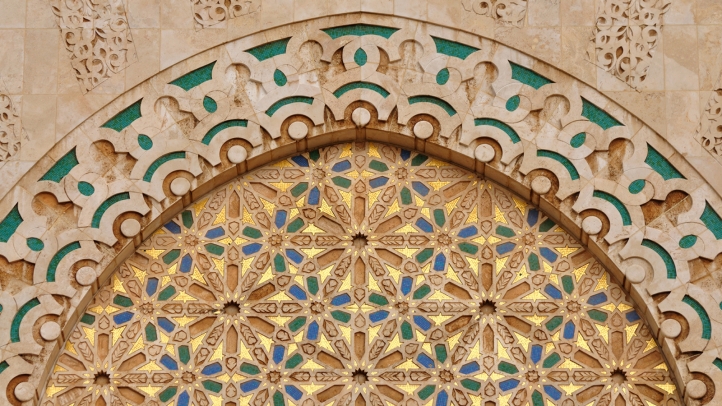
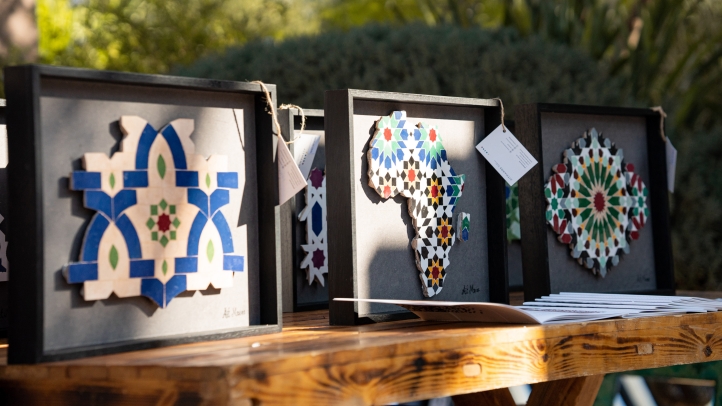
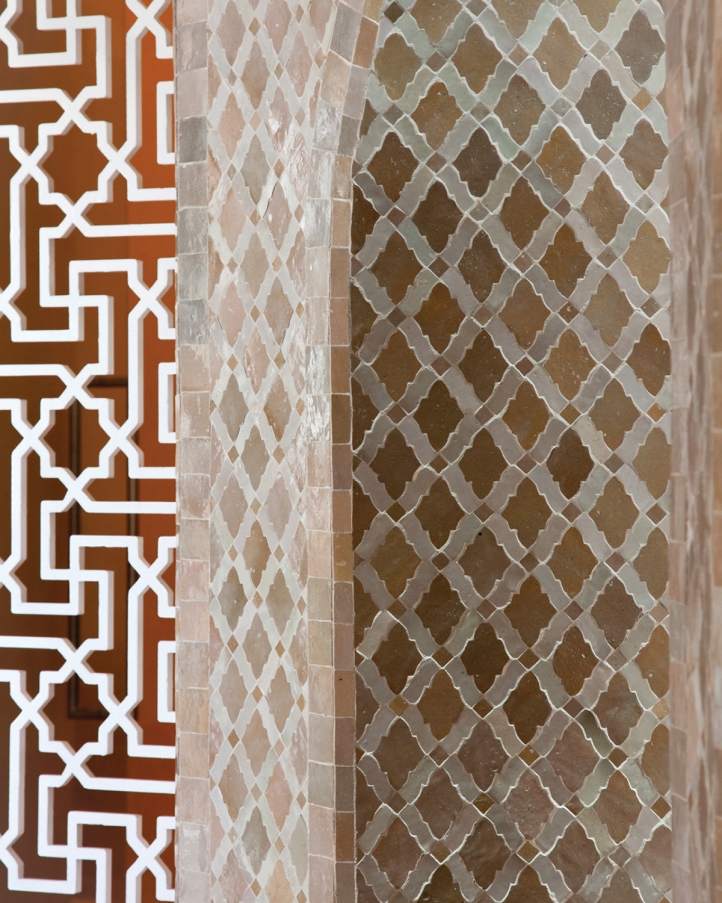
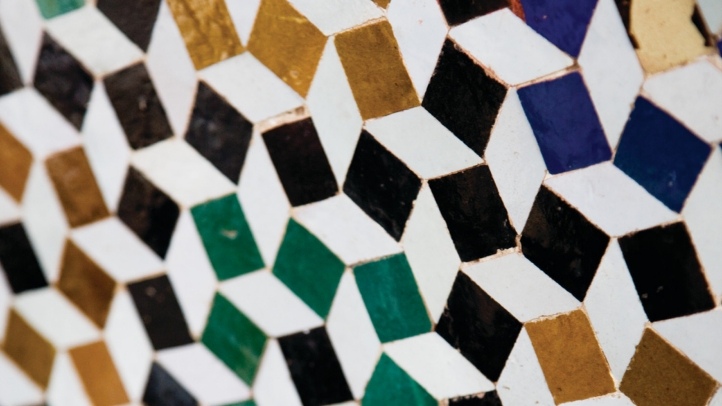
From the archaeological remains of Aghmat and the imperial cities of Morocco to contemporary homes, cafés, gardens and luxury hotels, few artistic traditions are as deeply woven into the Kingdom's identity as zellige.
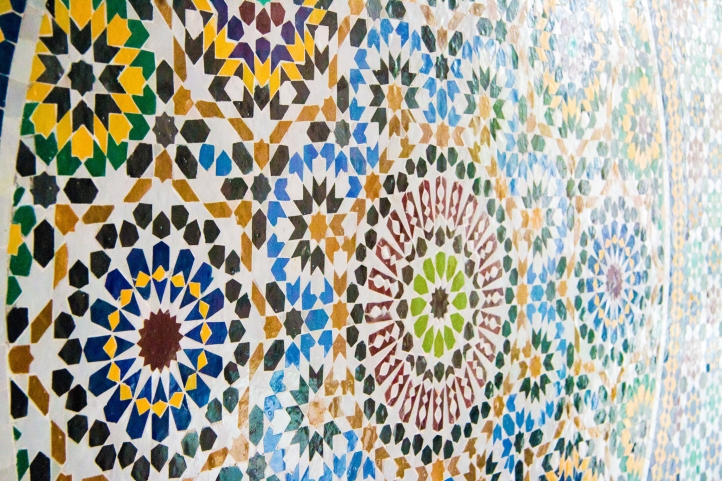
Defined by hand-cut geometric forms assembled into intricate mosaics, zellige is far more than a decorative art. It is a living expression of Moroccan creativity, craftsmanship and architectural heritage that has evolved continuously for nearly a thousand years.
While visitors often encounter zellige in the country's most celebrated monuments, its true significance lies in its omnipresence. Across Morocco, handcrafted zellige can be found in grand palaces and modest family homes, adorning neighbourhood fountains, hammams, riads, courtyards, bakeries, mosques, gardens, artisan workshops and contemporary residences alike. It remains one of the rare artistic traditions that connects everyday life with monumental architecture, linking generations through a shared visual language. Visitors often discover that some of the country's most memorable examples are found not only in major landmarks, but also in the hidden corners of daily life.
The world's oldest known archaeological evidence of geometric zellige currently identified comes from Aghmat, located southeast of Marrakech. Once the first capital of the Almoravid dynasty before the founding of Marrakech, Aghmat has yielded remains dating to the 11th century, demonstrating that sophisticated geometric zellige compositions were already being produced in Morocco during the Almoravid era.
These discoveries are particularly significant because zellige is often mistakenly associated with ceramic fragments found elsewhere in North Africa. Specialists generally distinguish Abbasid-inspired glazed ceramics from the specifically Moroccan tradition of hand-cut geometric mosaic tilework that would later flourish under the Almoravids, Almohads, Marinids and Saadians, ultimately becoming one of Morocco's most recognizable artistic signatures.
More than a decorative art form, zellige represents a living expression of Morocco's history, mathematics, architecture and craftsmanship.
Fez and Tetouan: Two Distinct Traditions
Although zellige can be found throughout Morocco, regional interpretations reveal fascinating differences.
Fez: Precision, Complexity and Monumental Scale
Widely regarded as the capital of Moroccan craftsmanship, Fez is renowned for its exceptionally complex geometric compositions, rich colour palettes and technical precision.
Master artisans continue to shape and hand-cut thousands of individual pieces before assembling them into intricate stars, polygons and interlaced motifs. Some of Morocco's finest examples can be admired at Al Attarine Madrasa, Bou Inania Madrasa, Nejjarine Fountain, Dar Batha Museum and throughout the artisan quarters of Fez el-Bali.
The zellige of Fez is often characterised by mathematical sophistication, intricate geometric construction and monumental decorative compositions.
The city's artistic influence historically extended far beyond Morocco. Writing in the 16th century, Spanish chronicler Luis del Mármol Carvajal observed that the rulers of Granada often looked to Fez as a model for architecture, craftsmanship and courtly culture. According to his accounts, the founder of the Alhambra's Nasrid dynasty spent time in Fez and sought to reproduce elements of its royal splendour in Granada. Whether viewed through historical chronicles or surviving architecture, the close artistic dialogue between Fez and Al-Andalus remains evident in the geometric decoration, carved stucco, woodwork and ceramic traditions that flourished on both sides of the Strait of Gibraltar.
Today, walking through the madrasas, fountains and artisan quarters of Fez offers insight into a city whose influence helped shape not only Moroccan craftsmanship, but also some of the most celebrated monuments of the western Islamic world.
Tetouan: Elegance, Balance and Refined Proportions
Located in northern Morocco, Tetouan is home to a distinctive zellige tradition celebrated for its harmonious compositions, refined proportions and understated sophistication.
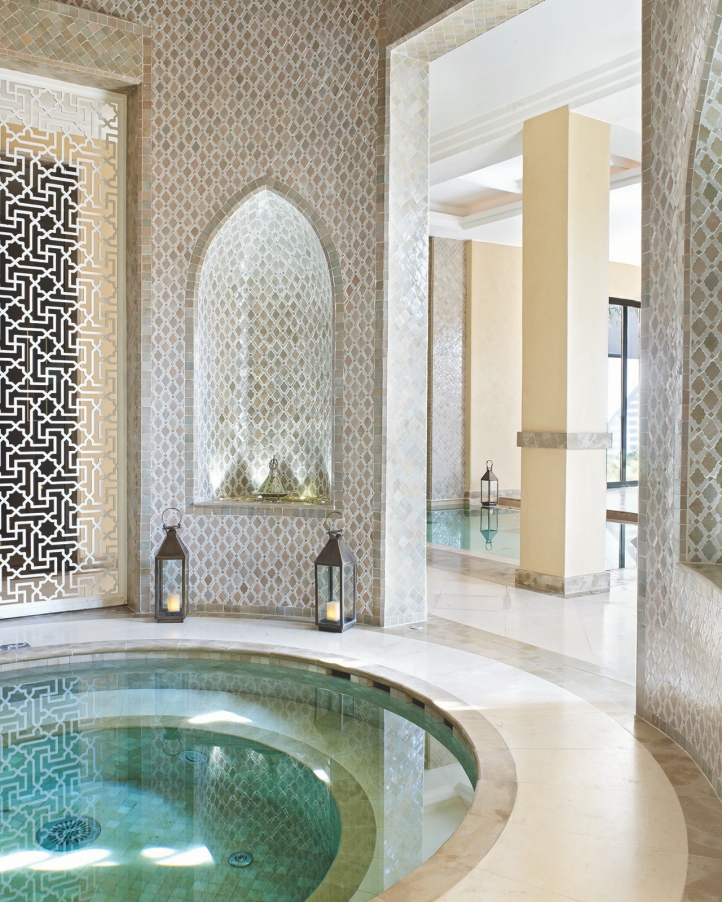
While relying on the same artisanal techniques found throughout Morocco, Tetouani zellige often favours lighter visual rhythms, carefully balanced geometric arrangements and a greater sense of openness within its patterns. The result is an aesthetic distinguished by clarity, elegance and precision, reflecting the city's unique artistic identity within the Moroccan craft landscape. Visitors can discover this tradition throughout the UNESCO-listed Medina of Tetouan and its historic homes, old streets and artisan workshops
Today, Tetouan remains an important source of inspiration for contemporary Moroccan design. Its refined aesthetic continues to influence architects, designers and craftsmen across the Kingdom, including modern reinterpretations found in hospitality, residential and cultural spaces.
Together, Fez and Tetouan reveal the remarkable diversity of Moroccan zellige, where a shared artisanal heritage gives rise to distinct regional expressions while remaining deeply rooted in the same Moroccan tradition.
A Living Art Reimagined Through Four Seasons Morocco
What makes zellige remarkable is its ability to bridge past and present. Across Morocco, artisans continue to create hand-cut mosaics using techniques passed down through generations, while architects and designers reinterpret this heritage for contemporary spaces.
The three Four Seasons properties in Morocco offer guests an ideal gateway to discover both the historic masterpieces and contemporary expressions of this enduring craft.
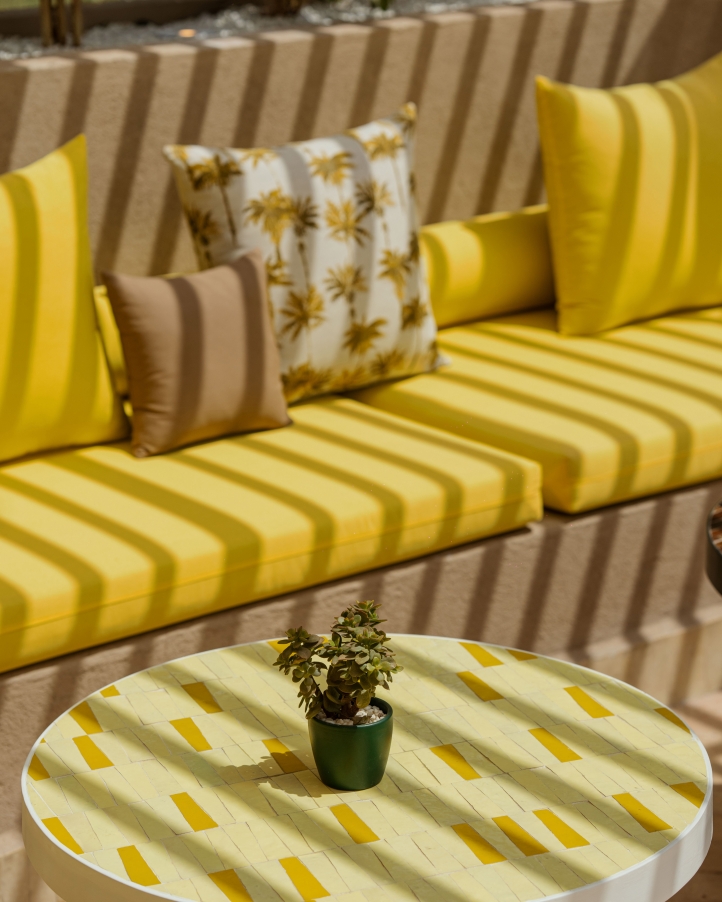
At Four Seasons Resort Marrakech, zellige acts as a visual thread connecting the resort to the country's artistic heritage. Throughout the gardens, courtyards and outdoor living spaces, guests encounter contemporary interpretations of traditional craftsmanship. The resort's terraces feature elegant geometric compositions inspired by the refined zellige traditions of Tetouan, reimagined through a contemporary design language that feels both timeless and distinctly Moroccan.
Beyond the resort, guests can explore some of Morocco's most emblematic zellige landmarks, including Ben Youssef Madrasa, Bahia Palace, Le Jardin Secret, and the historic fountains of the Medina. A journey to nearby Aghmat, the former Almoravid capital, offers a unique opportunity to discover the oldest known archaeological evidence of geometric zellige identified in Morocco, while artisan workshops throughout Marrakech reveal how the craft continues to evolve today.
At Four Seasons Hotel Rabat at Kasr Al Bahr, located within a meticulously restored royal site, historic craftsmanship and contemporary hospitality come together in celebration of Morocco's architectural legacy. Traditional motifs and artisanal details contribute to a strong sense of place rooted in centuries of heritage.
Guests are ideally positioned to discover the refined decorative traditions of Morocco's capital through visits to the Kasbah des Oudayas, the Medersa of Salé, the Mausoleum of Mohammed V, the Hassan Tower, and the archaeological site of Chellah. Together, these landmarks showcase the elegance and diversity of Moroccan decorative arts in both royal and civic architecture.
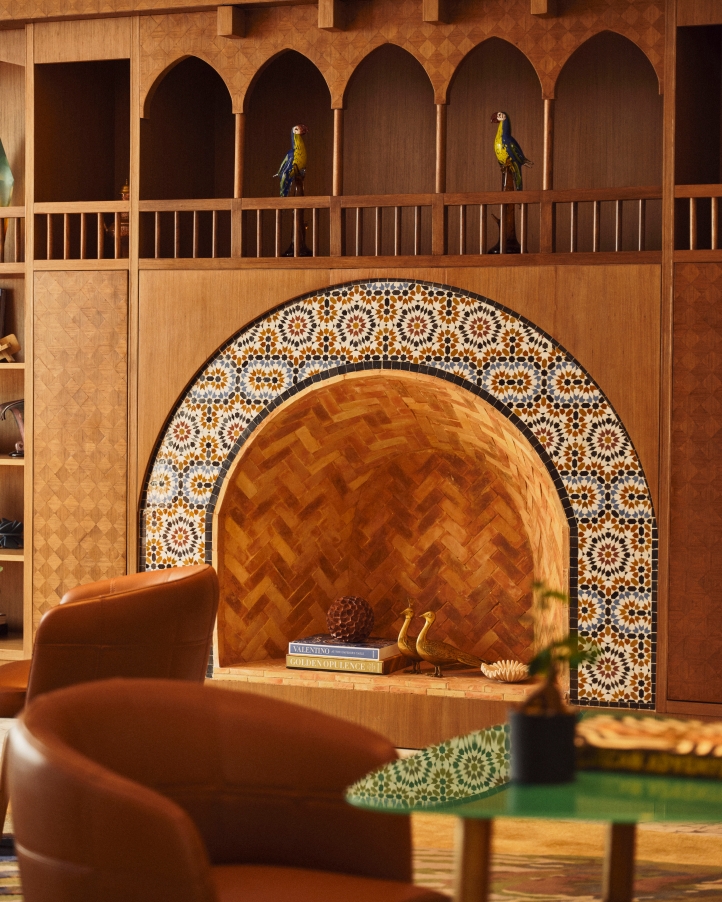
At Four Seasons Hotel Casablanca, Moroccan decorative arts are expressed through a sophisticated urban perspective. Traditional geometry, artisanal influences and contemporary design coexist harmoniously, reflecting the dynamic energy of modern Morocco while honouring its rich craftsmanship traditions.
The hotel provides an excellent base from which to discover monumental examples of contemporary Moroccan craftsmanship, including the spectacular Hassan II Mosque, the richly decorated Mahkama du Pacha, and the historic Habous Quarter. Throughout Casablanca, visitors encounter traditional zellige not only in landmark buildings but also in homes, cafés and modern architectural projects that continue to celebrate Moroccan artisanal heritage.
Together, the three properties illustrate the remarkable versatility of zellige, offering access to some of the Kingdom's most significant historic sites while showcasing how this centuries-old art continues to inspire contemporary Moroccan design and everyday life.
Discovering Morocco Through Zellige
From the archaeological discoveries of Aghmat and the master ateliers of Fez to the refined traditions of Tetouan and the contemporary interpretations found throughout Four Seasons Morocco, zellige offers a unique lens through which to discover the Kingdom.
Yet the true beauty of zellige lies not only in its history or technical mastery. Unlike many artistic traditions preserved primarily in museums and monuments, zellige remains an essential part of everyday Moroccan life. It can be found in bustling medinas and quiet courtyards, on neighbourhood fountains and family homes, in artisan workshops and contemporary architectural projects.
Across Morocco, craftsmen continue to shape clay, cut each piece by hand and assemble intricate mosaics using techniques transmitted across generations. This enduring presence is what makes zellige uniquely Moroccan: an art form that belongs as much to daily life as it does to history.
Whether admired in the archaeological remains of Aghmat, the madrasas of Fez, the streets of Tetouan, the monuments of Rabat and Casablanca, or the contemporary design of Four Seasons Resort Marrakech, Four Seasons Hotel Rabat at Kasr Al Bahr and Four Seasons Hotel Casablanca, zellige continues to tell the story of a country where heritage, craftsmanship and creativity remain vibrantly alive.
RELATED:



Marrakech, 40 000
Morocco
 @FourSeasonsPR