
Four Cities, Four Food Cultures: Eating and Drinking Through the Greater Bay Area With Four Seasons
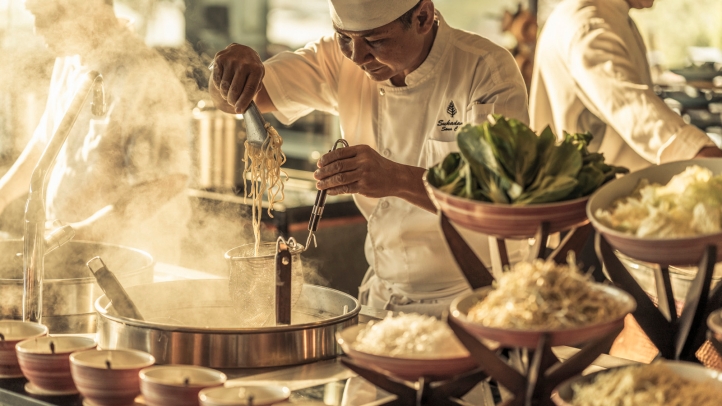

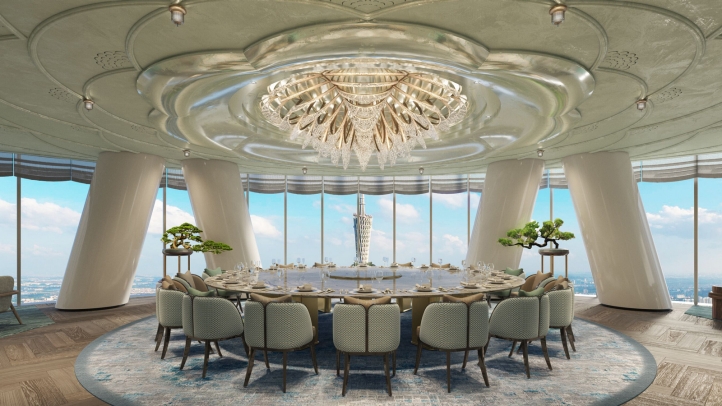
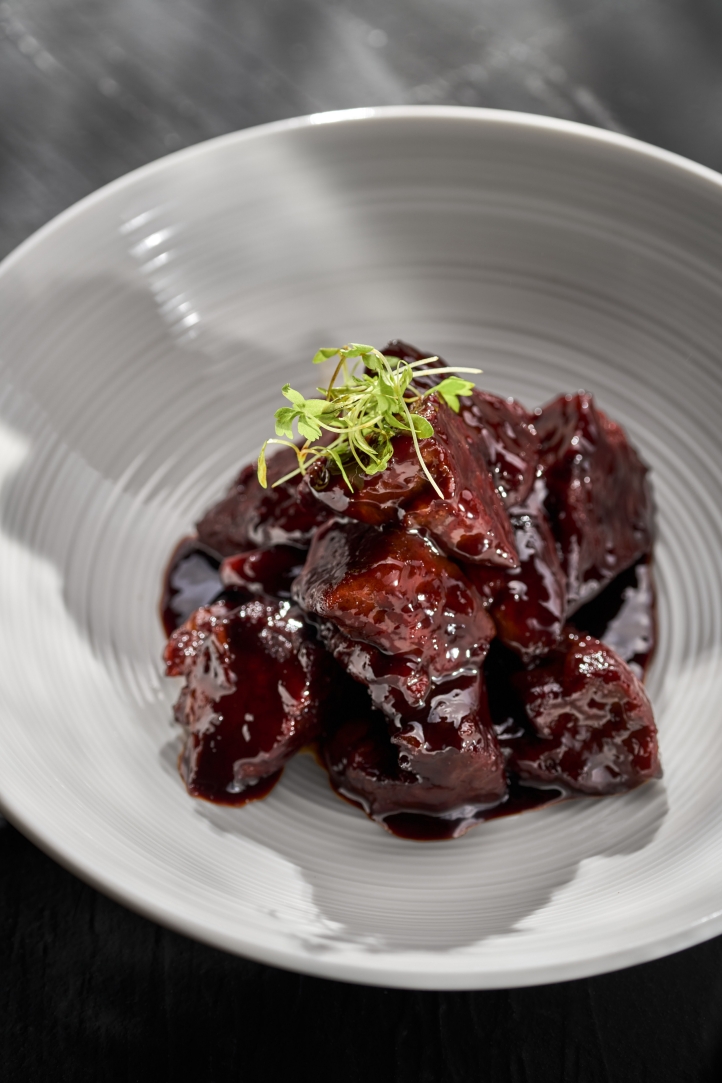


Across the Greater Bay Area, Guangzhou, Shenzhen, Hong Kong and Macao are closely connected by geography, yet each has a culinary identity shaped by its own history, communities and traditions. From morning yum cha and bamboo-pressed noodles to neighbourhood seafood markets, cocktail bars and Portuguese-inspired cafés, food offers a window into the everyday life of each city.
Bringing together the local knowledge of its chefs, bartenders and Concierge teams, Four Seasons invites travellers to explore these differences through neighbourhood institutions, local dining traditions and bookable experiences, alongside the restaurants and bars of its four hotels.
“What makes the Greater Bay Area so interesting is how quickly the culinary identity changes as you move between its cities. Guangzhou, Shenzhen, Hong Kong and Macao are closely connected, but each tells a very different story through food,” says Rami Sayess, President, Hotel Operations, Asia Pacific, Four Seasons. “Our role is to help guests get closer to those stories, whether that means a table in one of our restaurants or an address in a neighbourhood they might never otherwise discover.”
Guangzhou: Where Cantonese Tradition Meets Contemporary Dining
In Guangzhou, understanding the city's food culture begins with yum cha. Few places capture this ritual better than Xiguan, a historic neighbourhood closely associated with Cantonese cuisine. The Concierge team at Four Seasons Hotel Guangzhou recommends beginning at Panxi Restaurant, set within a Lingnan garden beside Liwan Lake, for shrimp dumplings, Pantang water chestnut cake and sampan congee. Continue to Xiguan Zhuyuan Bamboo Noodle Shop for bamboo-pressed noodles with shrimp wontons, before exploring the heritage lanes of Yong Qing Fang or the traditional dessert shops along Wenming Road, where Baihua Dessert Shop is known for its warm Phoenix Egg Custard.
For a deeper introduction to Guangzhou's heritage, guests can book A Journey Through Time and Tradition through the Hotel. The guided experience explores cultural landmarks including the Chen Clan Ancestral Hall, Xiguan and Yong Qing Fang, before continuing to Shamian Island and concluding with a Pearl River night cruise. The Hotel's Concierge team can also recommend independent restaurants and neighbourhood food discoveries according to guests' interests.
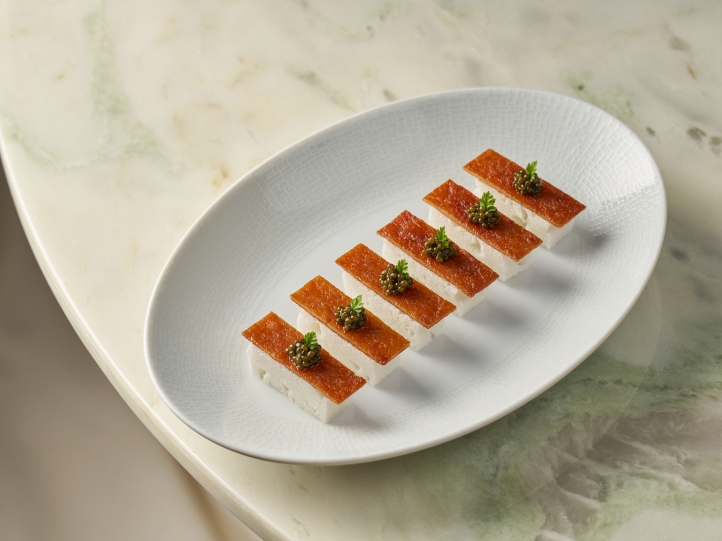
Back at the Hotel, the relationship between tradition and contemporary Guangzhou continues at one-Michelin-starred Yu Yue Heen, which recently reopened following a complete transformation by AB Concept. Inspired by the rhythm and theatricality of Cantonese Opera, the redesigned restaurant provides a setting for Executive Chinese Chef Yulu Cai's evolving interpretation of Lingnan cuisine. Dishes include a Shunde-inspired fish soup with hand-shredded fish and seasonal vegetables, and White Sugar Cake Topped with Crispy Pork Slices, bringing familiar regional flavours into a contemporary dining experience. One floor below, the reimagined Atrium draws inspiration from Lingnan courtyard gardens, offering all-day dining, afternoon tea and sunset drinks overlooking the Pearl River.
Shenzhen: A City Shaped by Migration, Told Through Food
Shenzhen's culinary identity reflects the people who have made the city their home. Its rapid growth has brought together food traditions from Sichuan, Hunan, Northeast China, Chaozhou and beyond, creating a dining scene where regional specialities sit comfortably alongside international influences.
The Concierge team at Four Seasons Hotel Shenzhen recommends Shuiwei 1368 Cultural District as one place to discover this diversity. Tai Shan Lao Huang Shan Fan, recognised in the inaugural Shenzhen MICHELIN Guide, is known for Taishan-style eel claypot rice, while nearby Redang Island Malaysian Restaurant serves dishes including nasi lemak, satay and white curry laksa. Another perspective on the city can be found at Shekou Seafood Market, where visitors can browse fresh catches and discover the ingredients central to the region's coastal cooking. Guests can explore these neighbourhoods and other culinary addresses through the Hotel's Customized City Tour, a private vehicle experience tailored with the Concierge team around individual interests.
Shenzhen's arrival on the Michelin Guide map in 2026 also brought recognition to Zhuo Yue Xuan at Four Seasons Hotel Shenzhen, which received Michelin Selected status. Under Executive Chinese Chef James Hu, the restaurant has introduced a renewed menu that builds on Cantonese traditions while incorporating ingredients and flavours from across China. Crispy Baby Duck with Sichuan Pepper Aroma draws on Yunnan ingredients and preparation techniques, while Crispy Sea Cucumber with Shrimp Roe revisits a Cantonese classic through a meticulous preparation process. Handcrafted dim sum, prepared fresh daily, provides a more traditional connection to the wider region's culinary heritage.
Hong Kong: Street Food by Day, Cocktails by Night
Few cities bring together as many ways of eating and drinking as Hong Kong. A day might begin with wonton noodles and milk tea in a neighbourhood café, move into contemporary Cantonese or French dining, and finish in one of the city's acclaimed cocktail bars.
Through The Greatest Hits of HK Street Food, Four Seasons Hotel Hong Kong introduces guests to the everyday flavours that have defined the city for generations. The four-hour guided walking experience visits local eateries and specialty shops to explore favourites such as dim sum, egg waffles, Hong Kong-style French toast, milk tea and wonton noodles.
For Caprice Executive Chef Guillaume Galliot, some of Hong Kong's most memorable meals are found away from the white tablecloth. Given three hours to introduce a food-obsessed friend to the city, he would begin at Yat Lok Roast Goose in Central for roast goose with lai fun noodles, before walking to Tsim Chai Kee on Stanley Street for generously sized prawn wontons served with springy noodles in clear broth. His final stop would be Rempah Noodles in Wan Chai for Nyonya laksa, his favourite in the city and a reminder of Hong Kong's culinary connections across Southeast Asia.
Galliot brings that same curiosity about different food cultures to three-Michelin-starred Caprice, ranked No. 35 on Asia's 50 Best Restaurants 2026, where his French culinary perspective finds a home in one of Asia's most dynamic dining destinations.
After dark, another side of Hong Kong emerges through its cocktail scene. At ARGO, Beverage Manager Jonathan Gabbay's ARGO Exploration menu draws inspiration from local artisans, farmers, artists and neighbourhood institutions, translating their ingredients and stories into cocktails. Ranked No. 25 on The World's 50 Best Bars 2026, ARGO also serves as a starting point for Neighbourhood Bar Exploration, a bookable three-hour experience led by an ARGO mixologist through four bars in Central, introducing guests to the bartenders and ideas shaping the city's cocktail culture.
For a different view of Hong Kong, Sunset Cruise & Michelin Dining pairs a journey across Victoria Harbour aboard a traditional wooden junk with an eight-course Cantonese dinner at Michelin-starred Lung King Heen, led by Executive Chef Chan Yan Tak.
Macao: Four Stops Through Two Cultures
In Macao, centuries of Chinese and Portuguese exchange have shaped a culinary identity expressed through neighbourhood bakeries, cafés, Cantonese restaurants and Macanese cooking.
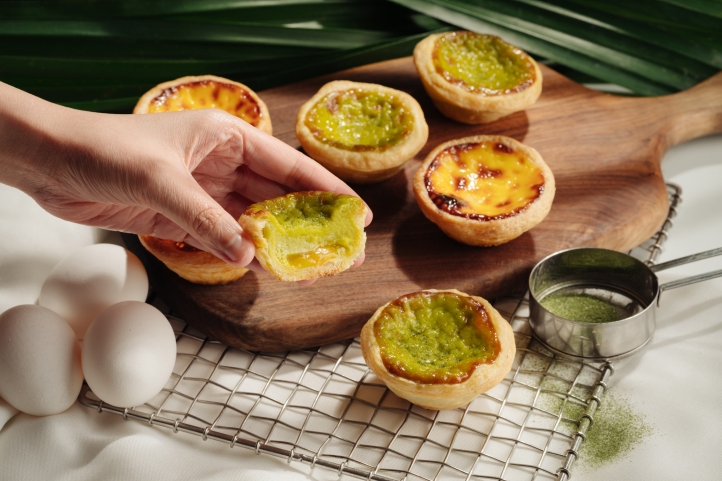
For travellers with a few hours to explore, the Concierge team at Four Seasons Hotel Macao recommends four stops in Old Taipa Village. Begin with a warm Portuguese egg tart at Lord Stow's Bakery, followed by traditional Chinese pastries at Fong Kei. Continue to Seng Cheong for water crab congee before finishing at Sei Kee Café, where coffee brewed in claypots over charcoal offers a distinctly local interpretation of a familiar drink. Together, these addresses provide a glimpse into the different influences that continue to shape everyday food culture in Macao.
Guests can discover more of the city's heritage through Macau Magic – Insider's Journey, a private four-hour exploration led by a local insider and driver. The experience introduces Macao's cultural landmarks and neighbourhoods, providing a broader perspective on the communities and traditions behind its food culture.
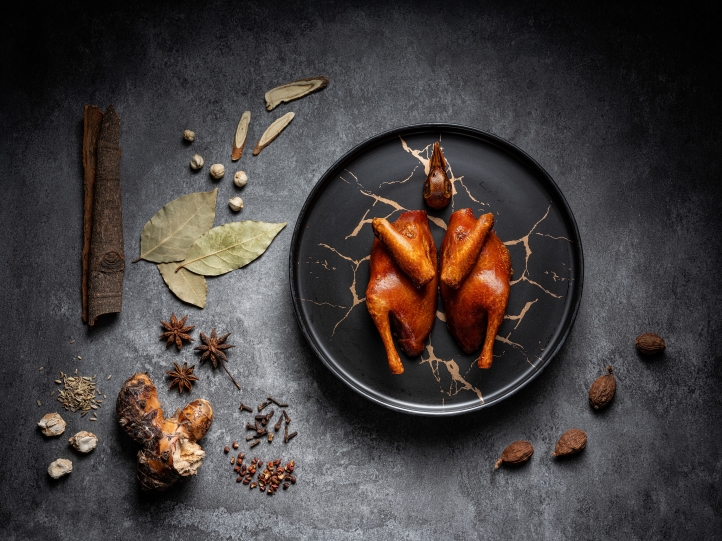
Back at Four Seasons Hotel Macao, the city's Chinese and Portuguese influences continue through distinctive culinary experiences. At The Study, The Art of Port: Sip, Paint and Savour invites guests to explore Portugal's wine heritage through a Port-based cocktail and an art experience using Port wine. Meanwhile, at one-Michelin-starred Zi Yat Heen, Executive Chinese Chef Anthony Ho celebrates Cantonese culinary traditions through seasonal ingredients and signature dishes such as Roasted Crystal Shi-Qi Baby Pigeon, prepared to achieve crisp skin and tender meat.
Four Cities, One Food Journey
From Guangzhou's longstanding Cantonese traditions and Shenzhen's diverse regional flavours to Hong Kong's neighbourhood institutions and Macao's Chinese-Portuguese heritage, the Greater Bay Area offers four distinct perspectives on food and culture.
Across these destinations, Four Seasons connects travellers with the people, places and traditions behind each city's culinary identity. Through the recommendations of its chefs, bartenders and Concierge teams, together with its restaurants and bookable local experiences, guests can discover the region one neighbourhood, dish and conversation at a time.
RELATED:
 @FourSeasonsPR